
• Remote Work

    The Future of Remote Work: Implications for the Global Economy

    The COVID-19 pandemic has changed the structure of work and has boosted the remote work culture. While the business and its employees are learning to live with this new normal, the consequences for the world economy are significant and long-lasting. This paper aims at discussing the prospects of remote work and its effects on the economy. Changing Workforce Dynamics Flexibility in work has shifted the workforce and enabled companies to hire people from different parts of the world. It means that employers can use the services of professionals irrespective of their location, which, in turn, results in the heightened competition for the jobs. This shift can be advantageous to organisations since they will be able to tap into a pool of talents and ideas from different parts of the world. However, it also poses a problem for local labor markets as companies may decide to employ remote workers from areas with lower costs of living which may affect wages and employment in higher-cost regions. Impact on Commercial Real Estate Remote work is becoming more popular and changing the dynamics of the commercial real estate market. More and more companies are switching to the hybrid or fully remote model, and this is why the demand for conventional offices is decreasing. Organizations are redefining their space requirements, which is resulting in higher levels of vacancies in the core business districts. This change may lead to reduced rental rates and can put pressure on landlords to alter their approach to the property and possibly convert the office spaces to the co-working model or a combination of uses. The potential consequences for urban planning and local economies may be profound as cities adjust to new work arrangements. Technological Advancements The future of remote work will be greatly determined by technology because of the following reasons. Organizations are spending their money on digital technologies and applications that help in the smooth functioning of remote working teams. This trend is influencing software development, cybersecurity, and IT infrastructure in the modern world. With the acceptance of remote work, the need for enhanced technologies like virtual reality and artificial intelligence will increase, creating new niches and employment. But this technological advancement also poses a threat to the security of information especially the sensitive one thus calling for strong measures to be put in place to enhance the protection of information. Work-Life Balance and Employee Well-Being This has led to the reconsideration of work-life balance and employees’ health due to the increase in remote work. Some employees value the ability to work remotely due to the fact that it enables them to balance their work and personal life. Nevertheless, the line between work and personal life becomes more and more flexible, which results in burnout and other mental issues. Employers should ensure the employees’ well-being by promoting a healthy remote work culture, providing mental health services, and taking breaks. This emphasis on well-being can improve performance and employee morale, which in turn can improve the organization’s profitability. Global Economic Implications As remote work is becoming the new normal, it has significant impacts on the world economy. Some of the countries that have strong digital systems and a well-educated population may become the preferred location for companies that want to set up their remote offices. On the other hand, areas that do not have access to technology and training may have some economic problems. Also, the change in work culture due to remote work may affect consumer behavior as people may decide to move to other cheaper regions thus affecting the economy and housing sector. Conclusion Remote work in the future can be viewed as a potential and a threat to the world economy. As companies find their way in this new environment, they have to deal with shifting workforce patterns, re-evaluate their space requirements, spend on tools, and focus on people’s health. Thus, organizations can prepare for the future in the context of the constantly changing economic landscape. In the end, the transition to remote work is not just a short-term reaction to the pandemic; it is a new phase in the evolution of work and human relationships with consequences for the world economy.

  • Cryptocurrency Regulations: What New Laws Mean for Investors

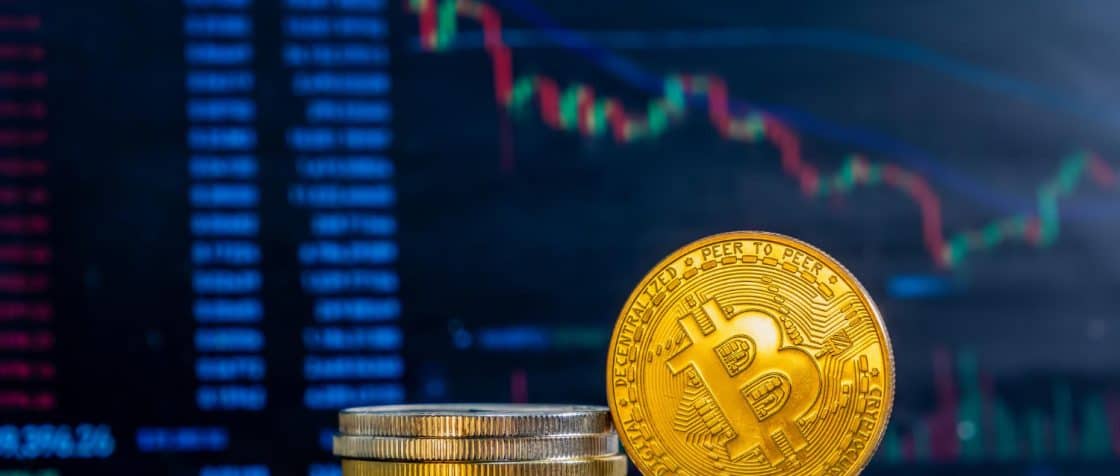
    The changes in the regulations of cryptocurrencies that have occurred recently are changing the situation for the investors. While governments all over the world continue to work towards developing a proper structure, the main aim is on the improvement of security and openness in the market. In the UK, the Financial Conduct Authority (FCA) is already engaged in the process of introducing rules that would help to preserve the consumer’s rights and encourage innovations at the same time. Impact on Investors New rules are designed to reduce the threats connected with fraud and fluctuation in the market, which will make it safer for investors. For example, the improvement of the Know Your Customer (KYC) and Anti-Money Laundering (AML) standards will increase the credibility of the cryptocurrency exchanges. This change could result to more institutional investment since firms would want to meet the set regulatory requirements. Future Outlook In this regard, investors need to be aware of new changes in regulations that may affect their portfolios. Knowing the effects of these laws will be important in decision making in the volatile cryptocurrency market. In general, it can be stated that regulations put certain limitations but at the same time they offer a prospect of establishing a more stable and credible environment for investing.

  • Inflation is Impacting Small Businesses

    How Inflation is Impacting Small Businesses: Strategies for Survival

    Small businesses around the world are now facing the problem of inflation. Due to the current high cost of production and other goods and services that are essential in running a business, many small business owners are struggling to make ends meet hence affecting their profitability and sustainability. This paper aims at explaining the impacts of inflation and the measures that can be taken by small businesses in order to cope with such an economic environment. Inflation and Its Effects on Small Businesses Inflation has the following impacts on small businesses. First and foremost, there has been a rise in the cost of raw materials and supplies which has affected the production costs. For example, businesses that deal with commodities like food and construction materials have experienced high inflation rates. This increase in costs can put pressure on the profitability, especially for small businesses that might not be able to pass the costs to the consumers as big companies do. Another factor that cannot be ignored is the labor costs. Due to inflation, the cost of goods and services increases, and thus employees may request salary increases in order to afford the same standard of living. Due to the limited resources, small businesses may find it challenging to meet these demands without compromising their financial standing. Inflation also has an effect of decreasing the spending power of consumers. When prices increase, consumers may decide to spend their money on only the basic needs and not on the wants. This shift can lead to low sales for small businesses hence intensifying the problem of high costs. Strategies for Survival To survive and thrive amid inflation, small businesses can adopt several strategies:To survive and thrive amid inflation, small businesses can adopt several strategies: 1. Reassess Pricing Strategies First of all, one of the most apparent measures that can be taken when costs are increasing is to look at the prices. Small businesses need to check their pricing strategies and possibly raise the prices due to the new costs. However, there is always a risk of overdoing it; high prices may scare away the customers. It is for this reason that it is advisable to be honest with the consumers as to why prices have been raised so as to keep them loyal. 2. Optimize Supply Chain Management The following are the ways through which efficient supply chain management can reduce the effects of inflation: Small businesses should seek for new suppliers, ask for more favorable conditions, and think about buying goods in large quantities. It also means that one can easily negotiate for better prices and more lenient payment terms especially when costs are on the rise. 3. Focus on Cost Control This paper aims at identifying the measures that can be taken to control costs so that profitability is not adversely affected. Small businesses should also carry out frequent checks of their expenditure to determine possible areas of reduction without affecting the quality of the products. This may include changing contracts, cutting down on expenses, and improving the way business is done to increase productivity. 4. Diversify Revenue Streams The diversification of revenue sources may help to avoid the negative impact of inflationary pressures. New products or services should be considered by small businesses that are related to their core competencies and the needs of the market. This diversification can attract a wider market and bring in more revenue which can be useful in covering increased expenses. 5. Leverage Technology It is important to note that technology can improve the operations of a business and decrease expenses. Some of the tools include automation tools, inventory management systems, and customer relationship management software that can help in the management of the business and reduce on the time that is taken in the management of the business. Small businesses can also use technology to improve the control of resources and respond to the changes in the market. Conclusion Inflation is a major problem that affects small businesses as it affects costs and prices of goods and services, and consumer buying behavior. Nevertheless, through proper planning and management, it is possible for small businesses to manage through such periods of turbulence through such strategies as re-pricing, supply chain management, cost control, revenue diversification and technology among others. Preparedness and flexibility are essential not only to cope with inflation but also to thrive in it and prepare for the future. Thus, being aware of the economic changes and adapting to them, small businesses can become even more viable and sustainable in the constantly developing market.

  • Global Markets React to Latest Federal Reserve Interest Rate Decision

    Stock markets around the world increased their level of swings after the recent decision of the Federal Reserve on interest rates. On July 31, the Fed decided to keep interest rates unchanged as it balance between the positive and negative signals on the economy. This had been expected by investors who expected a cut in the rates in order to free sectors that have been stretched by high rates for quite some time. Market Reactions After the announcement, U. S. stock markets went up in the short term, as investors are bullish on the Fed’s ability to stimulate the economy. But, inflation persistence and its effects on future rate changes were the cause of such fluctuations. This was echoed by the European and Asian markets and investors considered the effect of the Fed’s position on global factors. Outlook Ahead Experts believe that the Fed’s action may affect other central banks, especially in Europe and Asia, as they go about their business. Once these reports are digested by the markets, focus will turn to the next economic indicators and earnings reports that will determine the mood of the market in the following weeks.

  • Top Investment Trends for 2024: Where to Put Your Money Now

    Today, at the dawn of 2024, the economic environment is characterized by change and new opportunities that investors have to face. Below are the major trends to look out for in 2024 to assist you in making the right investment decisions: Renewable Energy Renewable energy segment is expected to emerge as a promising sector in the near future due to the growing demand for clean energy and favorable government policies. The renewable energy space could have long-term potential; the investor could look at investing in companies that are into renewable energy or ETFs in the renewable energy space. Artificial Intelligence (AI) AI is now becoming a norm in most sectors including the healthcare and financial sectors. One could directly invest in companies that are in the AI space or buy ETFs that are focused on the AI industry. Cybersecurity The threats are on the rise and therefore the need for better and efficient cybersecurity solutions is felt. Purchasing stocks of cybersecurity companies or ETFs that are related to cybersecurity could be a good idea in the year 2024. Diversification is Key However, these trends are still beneficial in that they provide possible opportunities to diversify the portfolio in order to minimize risk. Seek the services of a financial planner to set up an investment plan that is suitable to your needs and ability to take risks.

Business Tips

The Future of Remote Work: Implications for the Global Economy

July 28, 2024 0

The COVID-19 pandemic has changed the structure of work and has boosted the remote work culture. While the business and its employees are learning to live with this new normal, the consequences for the world economy are significant and long-lasting. This paper aims at discussing the prospects of remote work and its effects on the economy. Changing Workforce Dynamics Flexibility in work has shifted the workforce and enabled companies to hire people from different parts of the world. It means that employers can use the services of professionals irrespective of their location, which, in turn, results in the heightened competition for the jobs. This shift can be advantageous to organisations since they will be able to tap into a pool of talents and ideas from different parts of the world. However, it also poses a problem for local labor markets as companies may decide to employ remote workers from areas with lower costs of living which may affect wages and employment in higher-cost regions. Impact on Commercial Real Estate Remote work is becoming more popular and changing the dynamics of the commercial real estate market. More and more companies are switching to the hybrid or fully remote model, and this is why the demand for conventional offices is decreasing. Organizations are redefining their space requirements, which is resulting in higher levels of vacancies in the core business districts. This change may lead to reduced rental rates and can put pressure on landlords to alter their approach to the property and possibly convert the office spaces to the co-working model or a combination of uses. The potential consequences for urban planning and local economies may be profound as cities adjust to new work arrangements. Technological Advancements The future of remote work will be greatly determined by technology because of the following reasons. Organizations are spending their money on digital technologies and applications that help in the smooth functioning of remote working teams. This trend is influencing software development, cybersecurity, and IT infrastructure in the modern world. With the acceptance of remote work, the need for enhanced technologies like virtual reality and artificial intelligence will increase, creating new niches and employment. But this technological advancement also poses a threat to the security of information especially the sensitive one thus calling for strong measures to be put in place to enhance the protection of information. Work-Life Balance and Employee Well-Being This has led to the reconsideration of work-life balance and employees’ health due to the increase in remote work. Some employees value the ability to work remotely due to the fact that it enables them to balance their work and personal life. Nevertheless, the line between work and personal life becomes more and more flexible, which results in burnout and other mental issues. Employers should ensure the employees’ well-being by promoting a healthy remote work culture, providing mental health services, and taking breaks. This emphasis on well-being can improve performance and employee morale, which in turn can improve the organization’s profitability. Global Economic Implications As remote work is becoming the new normal, it has significant impacts on the world economy. Some of the countries that have strong digital systems and a well-educated population may become the preferred location for companies that want to set up their remote offices. On the other hand, areas that do not have access to technology and training may have some economic problems. Also, the change in work culture due to remote work may affect consumer behavior as people may decide to move to other cheaper regions thus affecting the economy and housing sector. Conclusion Remote work in the future can be viewed as a potential and a threat to the world economy. As companies find their way in this new environment, they have to deal with shifting workforce patterns, re-evaluate their space requirements, spend on tools, and focus on people’s health. Thus, organizations can prepare for the future in the context of the constantly changing economic landscape. In the end, the transition to remote work is not just a short-term reaction to the pandemic; it is a new phase in the evolution of work and human relationships with consequences for the world economy.

Cryptocurrency Regulations: What New Laws Mean for Investors

July 28, 2024 0

The changes in the regulations of cryptocurrencies that have occurred recently are changing the situation for the investors. While governments all over the world continue to work towards developing a proper structure, the main aim is on the improvement of security and openness in the market. In the UK, the Financial Conduct Authority (FCA) is already engaged in the process of introducing rules that would help to preserve the consumer’s rights and encourage innovations at the same time. Impact on Investors New rules are designed to reduce the threats connected with fraud and fluctuation in the market, which will make it safer for investors. For example, the improvement of the Know Your Customer (KYC) and Anti-Money Laundering (AML) standards will increase the credibility of the cryptocurrency exchanges. This change could result to more institutional investment since firms would want to meet the set regulatory requirements. Future Outlook In this regard, investors need to be aware of new changes in regulations that may affect their portfolios. Knowing the effects of these laws will be important in decision making in the volatile cryptocurrency market. In general, it can be stated that regulations put certain limitations but at the same time they offer a prospect of establishing a more stable and credible environment for investing.

How Inflation is Impacting Small Businesses: Strategies for Survival

July 27, 2024 0

Small businesses around the world are now facing the problem of inflation. Due to the current high cost of production and other goods and services that are essential in running a business, many small business owners are struggling to make ends meet hence affecting their profitability and sustainability. This paper aims at explaining the impacts of inflation and the measures that can be taken by small businesses in order to cope with such an economic environment. Inflation and Its Effects on Small Businesses Inflation has the following impacts on small businesses. First and foremost, there has been a rise in the cost of raw materials and supplies which has affected the production costs. For example, businesses that deal with commodities like food and construction materials have experienced high inflation rates. This increase in costs can put pressure on the profitability, especially for small businesses that might not be able to pass the costs to the consumers as big companies do. Another factor that cannot be ignored is the labor costs. Due to inflation, the cost of goods and services increases, and thus employees may request salary increases in order to afford the same standard of living. Due to the limited resources, small businesses may find it challenging to meet these demands without compromising their financial standing. Inflation also has an effect of decreasing the spending power of consumers. When prices increase, consumers may decide to spend their money on only the basic needs and not on the wants. This shift can lead to low sales for small businesses hence intensifying the problem of high costs. Strategies for Survival To survive and thrive amid inflation, small businesses can adopt several strategies:To survive and thrive amid inflation, small businesses can adopt several strategies: 1. Reassess Pricing Strategies First of all, one of the most apparent measures that can be taken when costs are increasing is to look at the prices. Small businesses need to check their pricing strategies and possibly raise the prices due to the new costs. However, there is always a risk of overdoing it; high prices may scare away the customers. It is for this reason that it is advisable to be honest with the consumers as to why prices have been raised so as to keep them loyal. 2. Optimize Supply Chain Management The following are the ways through which efficient supply chain management can reduce the effects of inflation: Small businesses should seek for new suppliers, ask for more favorable conditions, and think about buying goods in large quantities. It also means that one can easily negotiate for better prices and more lenient payment terms especially when costs are on the rise. 3. Focus on Cost Control This paper aims at identifying the measures that can be taken to control costs so that profitability is not adversely affected. Small businesses should also carry out frequent checks of their expenditure to determine possible areas of reduction without affecting the quality of the products. This may include changing contracts, cutting down on expenses, and improving the way business is done to increase productivity. 4. Diversify Revenue Streams The diversification of revenue sources may help to avoid the negative impact of inflationary pressures. New products or services should be considered by small businesses that are related to their core competencies and the needs of the market. This diversification can attract a wider market and bring in more revenue which can be useful in covering increased expenses. 5. Leverage Technology It is important to note that technology can improve the operations of a business and decrease expenses. Some of the tools include automation tools, inventory management systems, and customer relationship management software that can help in the management of the business and reduce on the time that is taken in the management of the business. Small businesses can also use technology to improve the control of resources and respond to the changes in the market. Conclusion Inflation is a major problem that affects small businesses as it affects costs and prices of goods and services, and consumer buying behavior. Nevertheless, through proper planning and management, it is possible for small businesses to manage through such periods of turbulence through such strategies as re-pricing, supply chain management, cost control, revenue diversification and technology among others. Preparedness and flexibility are essential not only to cope with inflation but also to thrive in it and prepare for the future. Thus, being aware of the economic changes and adapting to them, small businesses can become even more viable and sustainable in the constantly developing market.

Info Insight

  • The Future of Remote Work: Implications for the Global Economy

    July 28, 2024 0

    The COVID-19 pandemic has changed the structure of work and has boosted the remote work culture. While the business and its employees are learning to live with this new normal, the consequences for the world economy are significant and long-lasting. This paper aims at discussing the prospects of remote work and its effects on the economy. Changing Workforce Dynamics Flexibility in work has shifted the workforce and enabled companies to hire people from different parts of the world. It means that employers can use the services of professionals irrespective of their location, which, in turn, results in the heightened competition for the jobs. This shift can be advantageous to organisations since they will be able to tap into a pool of talents and ideas from different parts of the world. However, it also poses a problem for local labor markets as companies may decide to employ remote workers from areas with lower costs of living which may affect wages and employment in higher-cost regions. Impact on Commercial Real Estate Remote work is becoming more popular and changing the dynamics of the commercial real estate market. More and more companies are switching to the hybrid or fully remote model, and this is why the demand for conventional offices is decreasing. Organizations are redefining their space requirements, which is resulting in higher levels of vacancies in the core business districts. This change may lead to reduced rental rates and can put pressure on landlords to alter their approach to the property and possibly convert the office spaces to the co-working model or a combination of uses. The potential consequences for urban planning and local economies may be profound as cities adjust to new work arrangements. Technological Advancements The future of remote work will be greatly determined by technology because of the following reasons. Organizations are spending their money on digital technologies and applications that help in the smooth functioning of remote working teams. This trend is influencing software development, cybersecurity, and IT infrastructure in the modern world. With the acceptance of remote work, the need for enhanced technologies like virtual reality and artificial intelligence will increase, creating new niches and employment. But this technological advancement also poses a threat to the security of information especially the sensitive one thus calling for strong measures to be put in place to enhance the protection of information. Work-Life Balance and Employee Well-Being This has led to the reconsideration of work-life balance and employees’ health due to the increase in remote work. Some employees value the ability to work remotely due to the fact that it enables them to balance their work and personal life. Nevertheless, the line between work and personal life becomes more and more flexible, which results in burnout and other mental issues. Employers should ensure the employees’ well-being by promoting a healthy remote work culture, providing mental health services, and taking breaks. This emphasis on well-being can improve performance and employee morale, which in turn can improve the organization’s profitability. Global Economic Implications As remote work is becoming the new normal, it has significant impacts on the world economy. Some of the countries that have strong digital systems and a well-educated population may become the preferred location for companies that want to set up their remote offices. On the other hand, areas that do not have access to technology and training may have some economic problems. Also, the change in work culture due to remote work may affect consumer behavior as people may decide to move to other cheaper regions thus affecting the economy and housing sector. Conclusion Remote work in the future can be viewed as a potential and a threat to the world economy. As companies find their way in this new environment, they have to deal with shifting workforce patterns, re-evaluate their space requirements, spend on tools, and focus on people’s health. Thus, organizations can prepare for the future in the context of the constantly changing economic landscape. In the end, the transition to remote work is not just a short-term reaction to the pandemic; it is a new phase in the evolution of work and human relationships with consequences for the world economy.

  • Cryptocurrency Regulations: What New Laws Mean for Investors

    July 28, 2024 0

Latest News

Remote Work

The Future of Remote Work: Implications for the Global Economy

The COVID-19 pandemic has changed the structure of work and has boosted the remote work culture. While the business and its employees are learning to live with this new normal, the consequences for the world economy are significant and long-lasting …

Cryptocurrency Regulations: What New Laws Mean for Investors

The changes in the regulations of cryptocurrencies that have occurred recently are changing the situation for the investors. While governments all over the world continue to work towards developing a proper structure, the main aim is on the improvement of …

Inflation is Impacting Small Businesses

How Inflation is Impacting Small Businesses: Strategies for Survival

Small businesses around the world are now facing the problem of inflation. Due to the current high cost of production and other goods and services that are essential in running a business, many small business owners are struggling to make …

Global Markets React to Latest Federal Reserve Interest Rate Decision

Stock markets around the world increased their level of swings after the recent decision of the Federal Reserve on interest rates. On July 31, the Fed decided to keep interest rates unchanged as it balance between the positive and negative …

Top Investment Trends for 2024: Where to Put Your Money Now

Today, at the dawn of 2024, the economic environment is characterized by change and new opportunities that investors have to face. Below are the major trends to look out for in 2024 to assist you in making the right investment …

Recent Post

  • The Future of Remote Work: Implications for the Global Economy

    July 28, 2024 0

    The COVID-19 pandemic has changed the structure of work and has boosted the remote work culture. While the business and its employees are learning to live with this new normal, the consequences for the world economy are significant and long-lasting. This paper aims at discussing the prospects of remote work and its effects on the economy. Changing Workforce Dynamics Flexibility in work has shifted the workforce and enabled companies to hire people from different parts of the world. It means that employers can use the services of professionals irrespective of their location, which, in turn, results in the heightened competition for the jobs. This shift can be advantageous to organisations since they will be able to tap into a pool of talents and ideas from different parts of the world. However, it also poses a problem for local labor markets as companies may decide to employ remote workers from areas with lower costs of living which may affect wages and employment in higher-cost regions. Impact on Commercial Real Estate Remote work is becoming more popular and changing the dynamics of the commercial real estate market. More and more companies are switching to the hybrid or fully remote model, and this is why the demand for conventional offices is decreasing. Organizations are redefining their space requirements, which is resulting in higher levels of vacancies in the core business districts. This change may lead to reduced rental rates and can put pressure on landlords to alter their approach to the property and possibly convert the office spaces to the co-working model or a combination of uses. The potential consequences for urban planning and local economies may be profound as cities adjust to new work arrangements. Technological Advancements The future of remote work will be greatly determined by technology because of the following reasons. Organizations are spending their money on digital technologies and applications that help in the smooth functioning of remote working teams. This trend is influencing software development, cybersecurity, and IT infrastructure in the modern world. With the acceptance of remote work, the need for enhanced technologies like virtual reality and artificial intelligence will increase, creating new niches and employment. But this technological advancement also poses a threat to the security of information especially the sensitive one thus calling for strong measures to be put in place to enhance the protection of information. Work-Life Balance and Employee Well-Being This has led to the reconsideration of work-life balance and employees’ health due to the increase in remote work. Some employees value the ability to work remotely due to the fact that it enables them to balance their work and personal life. Nevertheless, the line between work and personal life becomes more and more flexible, which results in burnout and other mental issues. Employers should ensure the employees’ well-being by promoting a healthy remote work culture, providing mental health services, and taking breaks. This emphasis on well-being can improve performance and employee morale, which in turn can improve the organization’s profitability. Global Economic Implications As remote work is becoming the new normal, it has significant impacts on the world economy. Some of the countries that have strong digital systems and a well-educated population may become the preferred location for companies that want to set up their remote offices. On the other hand, areas that do not have access to technology and training may have some economic problems. Also, the change in work culture due to remote work may affect consumer behavior as people may decide to move to other cheaper regions thus affecting the economy and housing sector. Conclusion Remote work in the future can be viewed as a potential and a threat to the world economy. As companies find their way in this new environment, they have to deal with shifting workforce patterns, re-evaluate their space requirements, spend on tools, and focus on people’s health. Thus, organizations can prepare for the future in the context of the constantly changing economic landscape. In the end, the transition to remote work is not just a short-term reaction to the pandemic; it is a new phase in the evolution of work and human relationships with consequences for the world economy.

  • Cryptocurrency Regulations: What New Laws Mean for Investors

    July 28, 2024 0
  • How Inflation is Impacting Small Businesses: Strategies for Survival

    July 27, 2024 0
  • Global Markets React to Latest Federal Reserve Interest Rate Decision

    July 25, 2024 0
  • Top Investment Trends for 2024: Where to Put Your Money Now

    July 21, 2024 0

Get In Touch

Name